
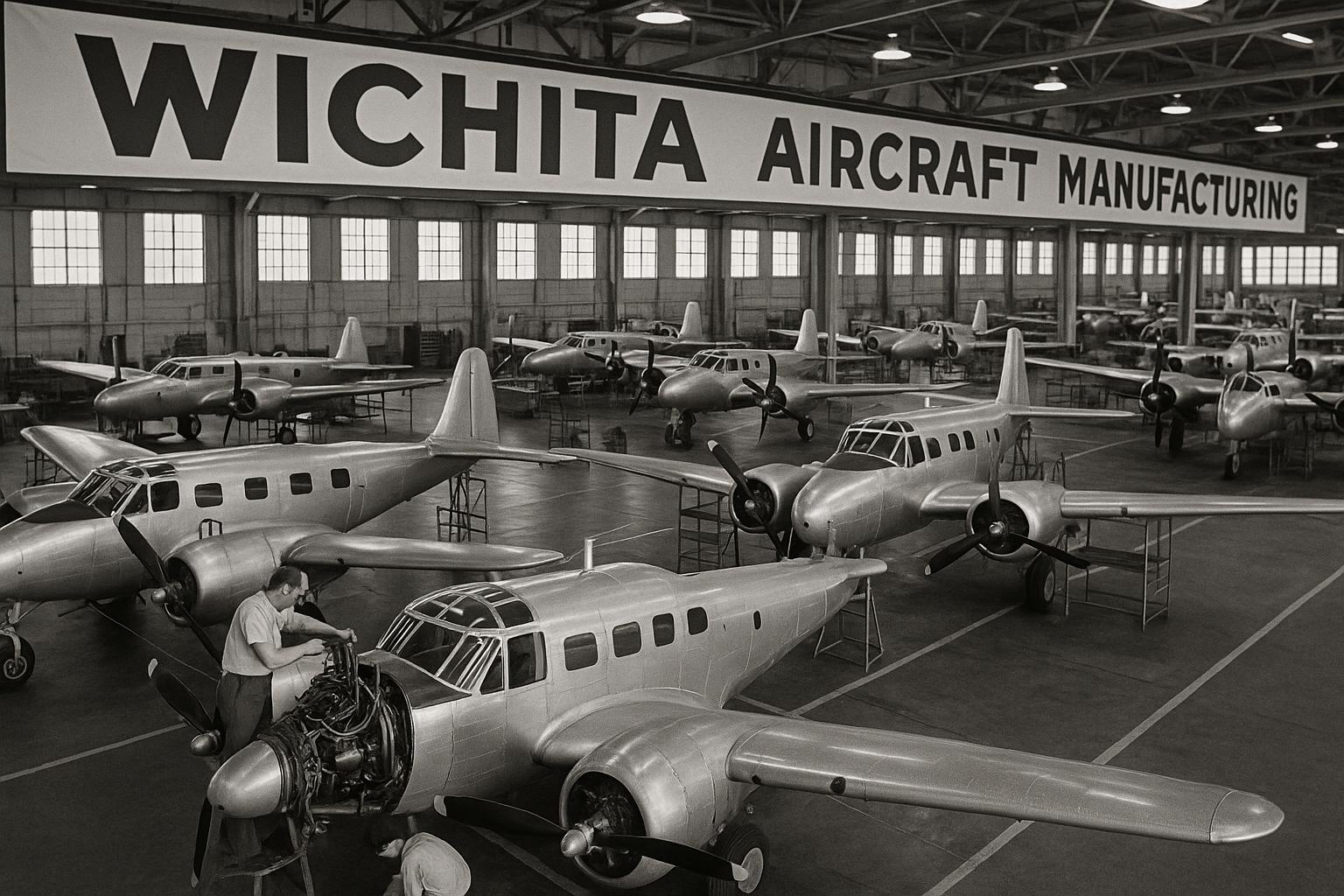
Overview of Aircraft Manufacturing in Wichita
Wichita, Kansas, holds a distinguished position in the aircraft manufacturing sector of the United States. Celebrated as the “Air Capital of the World,” Wichita’s association with aviation began in the early 20th century when notable pioneers such as Clyde Cessna, Walter Beech, and Lloyd Stearman established the foundations for what would evolve into a prosperous aerospace industry.
Historical Background
The history of aircraft manufacturing in Wichita can be traced back to the 1920s. During this era, several small aircraft companies emerged within the city, taking advantage of its geographical location at the heart of the country. Additionally, the favorable weather conditions and the presence of a skilled workforce contributed to Wichita’s rise as a hub for the production of general aviation aircraft. This early start laid the groundwork for a robust industry that would grow significantly over the decades.
Key Historical Figures
The evolution of the aviation industry in Wichita was significantly influenced by three key individuals: Clyde Cessna, Walter Beech, and Lloyd Stearman. Their endeavors were pivotal not only in advancing their respective companies—Cessna Aircraft Company, Beechcraft, and Stearman Aircraft Corporation—but also in positioning Wichita as an important player in the aerospace sector. Their pioneering work and innovations set the stage for the city’s long-term growth and development in aircraft manufacturing.
The Era of Mass Production
During the years of World War II, Wichita saw a remarkable expansion in aircraft production. The focus during this time was primarily on military aircraft, as the global conflict increased the demand for these assets exponentially. Factories in Wichita ran continuously to meet wartime demands, which led to a dramatic boost in employment and production capabilities. This period marked one of the most significant times in Wichita’s industrial history, cementing its role in aircraft manufacturing on a national scale.
Current Status of Aircraft Manufacturing
Today, Wichita continues to be a leading force within the aerospace industry. The city hosts several major aerospace companies and is supported by a comprehensive supply chain. Wichita is renowned for the production of a wide array of aircraft, encompassing models from small general aviation planes to substantial business jets. This diversity in manufacturing underscores the city’s ongoing relevance and adaptability in the aerospace sector.
Major Companies
The presence of major manufacturers underscores Wichita’s importance in the industry:
Textron Aviation: As the owner of both Cessna and Beechcraft brands, Textron Aviation stands as a prominent leader in producing general aviation and business aircraft. The company’s continued success demonstrates Wichita’s enduring legacy in aircraft manufacturing.
Spirit AeroSystems: This company specializes in aerostructures and plays an integral role in the aerospace supply chain by manufacturing essential components such as fuselages, pylons, and wing sections for various commercial aircraft. The contributions of Spirit AeroSystems exemplify the technical prowess and innovation that Wichita brings to the aerospace industry.
Economic Impact
The aircraft manufacturing industry is a crucial component of Wichita’s economy. It not only provides thousands of direct jobs but also supports a multitude of indirect roles within associated services and supplier networks. This industry substantially contributes to the region’s GDP, reinforcing the local and regional economic structure. The sustainability and growth of aircraft manufacturing in Wichita remain integral to the financial well-being of the area.
Workforce and Education
Wichita prides itself on having a highly skilled workforce, crucial for maintaining its standing in the aerospace sector. Educational institutions in the area, such as Wichita State University, offer specialized programs geared toward the technical demands of the aerospace industry. These programs equip students with essential skills, ensuring a stream of well-prepared professionals ready to contribute to the sector’s advancement.
Challenges and Opportunities
As with any significant industry, the aviation sector in Wichita encounters several challenges. These include fluctuating aircraft demand, rapid technological advancements, and the pressures of global competition. Nonetheless, these challenges also open the door to opportunities for innovation and growth. Companies situated in Wichita are investing in cutting-edge technologies such as sustainable aviation fuels and advanced manufacturing techniques, aiming to sustain their competitive edge and secure future growth.
The Future of Aviation in Wichita
Looking forward, Wichita is poised to continue its leadership role in aircraft manufacturing through a strong emphasis on research and development. By fostering collaboration among industry leaders, academic institutions, and government bodies, Wichita aims to effectively address challenges and harness opportunities within the ever-evolving landscape of aerospace. Such collaborative efforts are anticipated to enhance Wichita’s stature and contribute to its progression as a pivotal player within the global aircraft manufacturing domain.