
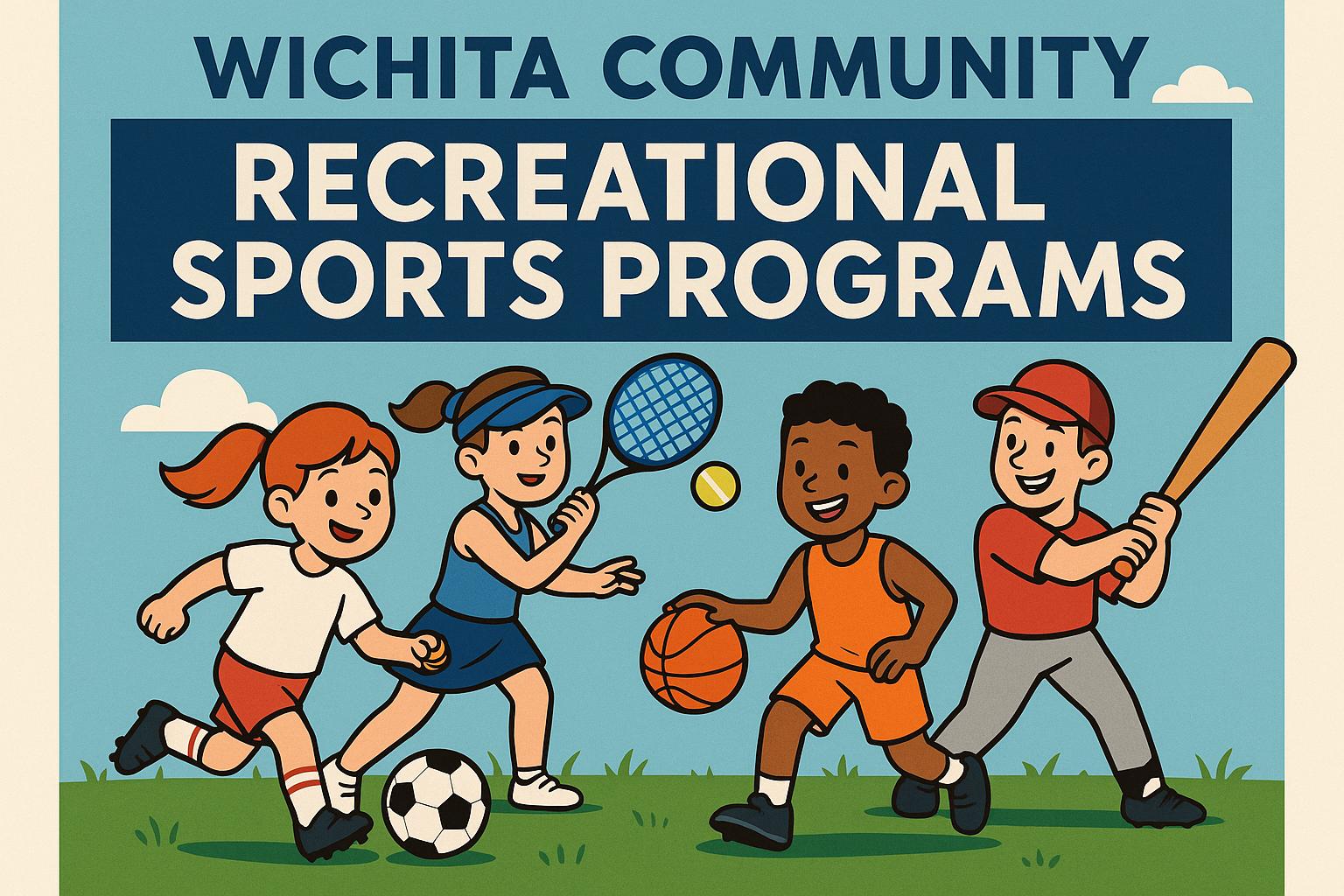
Introduction to Community Recreational Sports Programs
Community recreational sports programs are essential components within neighborhoods and larger municipalities, offering diverse opportunities for individuals across various ages and skill levels to engage in physical activities. These programs’ primary aim is to promote physical health, enhance personal development, and build a strong sense of community engagement. Typically organized by local governments, non-profit organizations, or community centers, these programs deliver an array of activities that can be enjoyed by many. This ranges from group-centric team sports to individualized fitness classes and outdoor recreational pursuits, making them inclusive of various preferences and skills.
Benefits of Participating in Recreational Sports
The benefits of participating in community recreational sports programs are extensive, affecting multiple facets of life. One of the primary advantages is the improvement of physical health through regular participation in physical activities. This involvement supports cardiovascular health, boosts flexibility and strength, and lowers the risk of chronic diseases. Furthermore, community sports provide vital social platforms. These programs enable participants to engage in social interaction, thereby facilitating the creation of new friendships and the enhancement of teamwork skills.
Physical Health Advantages
Enhancing Fitness Levels: Engaging consistently in sports activities leads to significant enhancements in overall fitness levels. Whether individuals participate in aerobic exercises, such as running during a soccer match, or engage in strength training during a basketball practice, their physical health benefits tangibly from these exercises. These activities are pivotal in maintaining a healthy weight, improving endurance, and promoting a robust lifestyle.
Prevention of Health Issues: Regular physical activity is effective in mitigating the risks of various health complications, such as obesity, diabetes, and heart disease. Engaging in these programs supports community health by contributing to healthier lifestyles and reducing healthcare burdens associated with chronic diseases. The preventative nature of recreational sports underscores their importance in cultivating a healthier populace.
Social and Community Engagement
Building Community Bonds: Recreational sports programs act as conduits for community connection, bringing people together to foster communal identity and support networks. Through these interactions, individuals connect over shared interests, cultivating an inclusive and welcoming community atmosphere. These bonds are instrumental in enhancing a community’s fabric, creating a space where everyone feels included and valued.
Development of Teamwork Skills: Sports activities often necessitate coordination and cooperation among participants, enabling them to develop crucial life skills. These experiences teach valuable attributes, such as communication, leadership, and conflict resolution, skills that are not confined to the sports field but are essential in everyday life. This makes the lessons learned in recreational sports invaluable, as they contribute to personal growth and improved interpersonal interactions.
Types of Recreational Sports Programs
Within community recreational sports programs, there are several activities available to accommodate diverse interests and physical capabilities. These programs can generally be categorized into three main types: team sports, individual fitness activities, and outdoor recreational pursuits.
Team Sports
Team sports are a staple in community programs, frequently featuring popular activities like soccer, basketball, and volleyball. The focus of these sports is to enhance team spirit and collaboration among players. Often organized in leagues or tournaments, these games provide structured environments where participants can engage in healthy competition and experience personal growth. Through teamwork and strategic thinking, individuals develop not only their athletic skills but also their ability to work effectively with others.
Individual Fitness Activities
Offering a more personalized approach to fitness, many community programs include individual fitness activities such as yoga, pilates, and aerobics. These activities appeal to those who prefer solo pursuits or desire a more customized fitness regimen. They provide opportunities for participants to focus on personal goals, whether it is improving flexibility, building strength, or enhancing cardiovascular health. Such activities allow individuals to exercise at their own pace, making them accessible to a broad range of fitness levels.
Outdoor Recreational Pursuits
Incorporating nature into physical activity, outdoor recreational pursuits like hiking and cycling are popular components of community programs. These activities provide the dual benefit of physical exercise and mental wellness. By being in nature, participants can enjoy the scenic beauty and experience reduced stress levels, contributing to overall mental well-being. Exploring trails or cycling through parks combines the joy of discovery with the advantages of a healthy lifestyle.
Getting Involved in Community Recreational Sports
Participation in community recreational sports programs is generally straightforward, with registration processes facilitated through local community centers or municipal websites. Prospective participants should be mindful to check specific requirements for each program, such as age limitations or needed equipment, ensuring they can join without any obstacles.
For further information, resources are available from various organizations dedicated to safe and effective participation in community sports. The National Safety Council (NSC) and the American Camp Association (ACA) provide guidelines and additional resources that can be beneficial for interested individuals seeking guidance or looking to maximize their sports experience.
In conclusion, community recreational sports programs play an integral role in promoting holistic health and strengthening community ties. By participating in these programs, individuals can enjoy physical, social, and psychological benefits while contributing to a vibrant, health-conscious community ecosystem.